STORY AT-A-GLANCE
- Anisocoria is the medical term for unequal pupil sizes, and in cats it is a sign — not a disease — that something is interfering with the muscles or nerves controlling one pupil
- The cause can range from harmless lifelong traits to true emergencies. Some causes can permanently damage vision within hours
- The full list of possible causes is long: uveitis, glaucoma, corneal ulcers, retinal disease, Horner's syndrome, neurological problems, head trauma, infectious diseases, toxin exposure, eye tumors, and age-related iris atrophy
- Pupil changes paired with red-flag signs — loss of balance, head tilt, seizures, recent trauma, a cloudy or swollen eye, sudden vision loss, or extreme lethargy — call for immediate emergency care
- Even a cat acting completely normal with only a subtle pupil mismatch deserves a veterinary check within a few days — early detection often makes the difference between full recovery and permanent damage
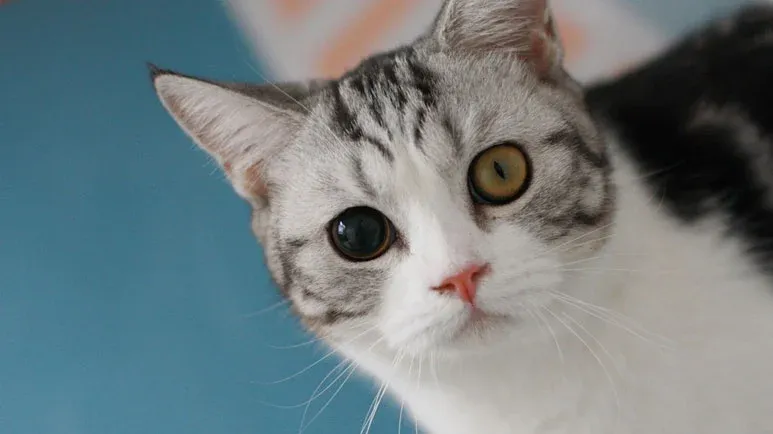
You glance over at your cat sleeping on the windowsill, and something looks off. One pupil is wider than the other. You blink, look again, and yes, the eyes really do look uneven. Your cat is acting completely normal — purring, eating, ignoring the dog as usual.
It is easy to assume it is a trick of the light or that your cat will look fine again in a few minutes. Sometimes, that is exactly what happens. But pupils that stay different sizes can be one of the most important clues your cat's body will ever give you, and it is the kind of clue that does not always wait.
What Anisocoria Actually Is
The medical name for unequal pupil sizes is anisocoria. In a healthy cat, both pupils dilate equally in dim light and constrict equally in bright light. When one pupil stays bigger or smaller than the other, something is interfering with the muscles or nerves that control it.1,2,3
The problem may be in the eye itself, in the nerves that connect the eye to the brain, or in the brain. Identifying which system is affected is what determines how urgent the situation is, and how it should be treated.4
As a pet parent, what you should remember is that anisocoria is not a disease by itself. It is a sign. Your job is to find out what it is pointing at.5
Why You Should Never Brush It Off
Some causes of anisocoria are mild and self-resolving. A few cats are simply born with slightly unequal pupils. Older cats can develop a normal age-related change in the iris that produces a small mismatch.
But other causes can permanently damage your cat's vision within hours. Glaucoma, retinal detachment, severe uveitis, and certain neurological emergencies all leave very small windows for treatment. By the time the rest of the symptoms show up, the damage may already be done.
That is why veterinarians treat sudden anisocoria as an emergency until proven otherwise. Even when your cat is acting completely normal, the safest move is to call your vet.6,7,8
If You See These Signs, Go to the ER Now
Some pairings of symptoms turn an eye change into an immediate emergency. If you see any of these alongside the unequal pupils, head to the nearest emergency veterinary clinic:9,10
- Loss of balance, circling, head tilt, or seizures
- Recent head trauma or a known fall
- A cloudy, red, or swollen eye coinciding with the pupil change
- Sudden vision loss, like bumping into things or missing familiar jumps
- Extreme lethargy or disorientation
- Squinting, pawing at the eye, or visible discharge
Even without these red flags, a clearly different pupil size that has appeared suddenly should be evaluated within 24 hours.
The Causes Worth Knowing
Anisocoria has a long list of possible causes. Some are eye-specific, while others are signs of disease somewhere else in the body. Here are some causes:11,12,13
- Uveitis — Inflammation inside the eye is the most common cause of anisocoria in cats. The affected pupil is usually smaller because the iris muscle spasms. Causes include feline herpesvirus, FIV, FIP, fungal or parasitic infections, trauma, and immune-related conditions. Untreated uveitis can lead to permanent vision loss.
- Glaucoma — Increased pressure inside the eye forces the affected pupil to stay dilated while the healthy one constricts normally. The eye often looks cloudy, red, or swollen. Glaucoma is painful and can cause permanent blindness within hours. This is a same-day emergency.
- Corneal ulcer — A scratch or wound on the surface of the eye causes the affected pupil to constrict from pain. You may also see squinting, pawing at the eye, and cloudiness. Deep ulcers can perforate the eye, so same-day care matters.
- Retinal disease — Detachment or degeneration of the retina disrupts the signal that tells the pupil to constrict. In older cats, high blood pressure is a leading cause of retinal damage and a common reason for anisocoria. Urgent treatment can sometimes preserve remaining vision.
- Horner's syndrome — A disruption to a specific nerve pathway produces a smaller pupil, a droopy upper eyelid, and a raised third eyelid, all on the same side. Causes range from middle ear infections to trauma to spinal issues. Some idiopathic cases resolve on their own.
- Neurological problems — Brain tumors, strokes, head trauma, or nerve damage can cause one pupil to stop responding. This type of anisocoria is the most serious, and usually comes with balance issues, circling, or seizures. Any neurological symptom paired with a pupil change is an emergency.
- Head trauma — A fall, a fight, or a blow to the head can cause bleeding in the brain that increases pressure and changes pupil size. If your cat was recently injured and you notice a new pupil mismatch, do not wait it out.
- Infectious diseases — Feline leukemia virus (FeLV), feline immunodeficiency virus (FIV), feline infectious peritonitis (FIP), toxoplasmosis, and other fungal, protozoal, or parasitic causes can all affect the eye or the nerves around it. Spastic pupil syndrome, in which pupil size alternates between the two eyes, is most often associated with FeLV.
- Cancer in the eye — Tumors inside the affected eye can change pupil size and shape.
- Toxin exposure — Certain plants, medications, and household chemicals can affect pupil size. If you suspect your cat got into something, the substance itself becomes part of the urgency.
- Iris atrophy — As cats age, the colored part of the eye can thin out a bit. This is generally harmless and not painful, but it should still be confirmed by a veterinarian rather than assumed.
- Congenital differences — Some cats, including some Siamese, are born with slightly unequal pupils and stay that way for life. If the difference has always been there and your cat is otherwise completely normal, this is probably the explanation, but a vet check confirms it.
What Else You Might See Alongside It
Sometimes anisocoria is the only thing you notice. Other times, the eye gives you more clues. Watch for:
- Red or bloodshot whites of the eye
- A cloudy, bluish, or hazy cornea
- Discharge or excessive tearing
- Sensitivity to light
- Squinting or holding the eye partly closed
- A visible third eyelid
- A droopy upper eyelid
- Less activity, less interest in food, or hiding
With a neurological cause, you may also see a head tilt, wobbly walking, or trouble with coordination.
When Your Cat Seems Fine, but Their Pupils Are Off
This is the most common scenario pet parents Google. Your cat is eating, playing, and acting normally. But one pupil is a little bigger than the other.
Here is the catch: early uveitis, early Horner's syndrome, and early retinal disease can all look identical to a harmless pupil difference before any other symptoms appear. A veterinary exam is the only way to tell which one you are dealing with.14
It may not be a midnight emergency, but it is worth getting on the schedule within a day if at all possible. Catching these conditions early is often the difference between full recovery and permanent damage.
How Veterinarians Sort It Out
Diagnosing the cause of anisocoria takes more than a quick look. Your vet will usually run a combination of tests, including:15,16,17
- A complete physical and eye examination
- Tonometry to measure pressure inside the eye and screen for glaucoma (high pressure) or uveitis (often associated with low pressure)
- Fluorescein staining to detect corneal ulcers and assess the tear film and tear drainage
- Tear production tests
- Pupillary light reflex testing to see whether the issue is in the eye or the nerves
- An ophthalmoscope exam to view the retina and optic nerve
- Blood pressure measurement, especially in older cats
- Bloodwork to screen for FeLV, FIV, FIP, and other underlying conditions
- MRI or CT scans if a neurological cause is suspected
In some cases, your veterinarian may refer you to a veterinary ophthalmologist for more detailed testing.
Treatment Depends on the Cause
There is no single treatment for anisocoria, because it is a sign, not a disease. Treatment targets the underlying problem.
Uveitis is often treated with anti-inflammatory eye drops, sometimes alongside atropine to prevent the iris from adhering to the lens, and systemic medications for the underlying cause. Glaucoma is treated with pressure-reducing drops and, in severe cases, surgery. Corneal ulcers heal with antibiotic eye drops, an e-collar, and patience.18
Retinal damage from high blood pressure is treated by lowering the blood pressure and addressing root causes like kidney disease or hyperthyroidism. Horner's syndrome gets treated according to its cause, whether that is an ear infection, trauma, or something deeper. Neurological causes require specialty workups and tailored therapy.19,20
Will It Go Away?
It depends entirely on what is causing it. Pupil changes from a temporary lighting reflex resolve in minutes. Anisocoria caused by uveitis or Horner's syndrome usually resolves with treatment over a few weeks.
Pupil changes from glaucoma, retinal damage, or neurological injury may be permanent, even with the best care. The earlier the cause is identified, the better the outcome tends to be.
The Window You Do Not Want to Miss
Unequal pupils in cats are one of those changes that look small and can mean almost anything, from a harmless lifelong trait to a fast-moving emergency. The visible difference is rarely the whole story, and the wait-and-see approach is rarely the right one.
If your cat's pupils suddenly look different, get them seen. If something else looks off at the same time, treat it like an emergency. Even a subtle change in an otherwise normal cat deserves a veterinary check within 24 hours if at all possible. With sight on the line, fast attention is the kindest thing you can offer the eyes that have been watching you all this time.
Sources and References
- 1,6,10,11,15 VCA Hospitals, Anisocoria in Cats
- 2,4,8,9,13,14,17,18,19 My Paw Wellness, June 20, 2026
- 3 Elsevier, The cat with abnormal pupil size, shape or response
- 5,7,12,16,20 Chewy, April 30, 2025


