STORY AT-A-GLANCE
- Even a small bite of chocolate or xylitol-sweetened candy can cause life-threatening reactions in pets. Keep all treats far out of reach
- Common Valentine flowers like lilies, tulips, and roses thorns may cause poisoning or injury. Opt for pet-safe blooms and display them securely
- Ribbons, balloons, and wrapping paper can lead to choking or intestinal blockages. Clean up immediately and store gifts out of reach of curious paws
- Open flames and alcoholic drinks are tempting but toxic. Use flameless candles and non-alcoholic options to avoid accidents during your celebration
- Training your pet to “leave it” helps prevent mishaps. Always keep your vet’s contact info and the Pet Poison Helpline nearby, just in case
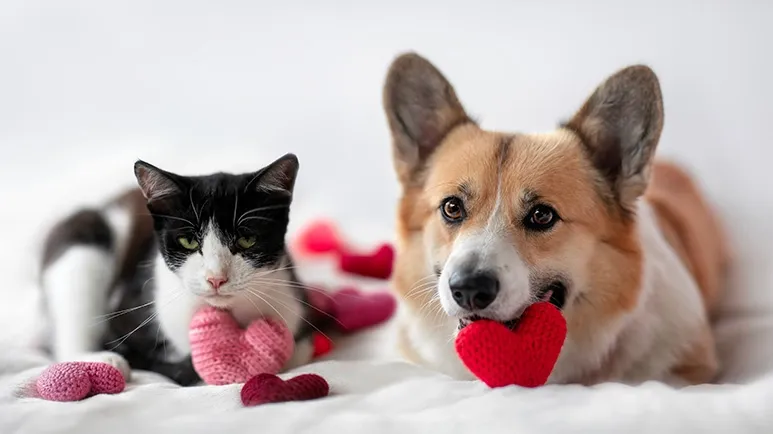
Valentine’s Day is a time for love, chocolate, flowers, and sweet surprises. But while you’re planning a cozy, romantic evening, your pets may be unknowingly stepping into danger. The very things that make this holiday special for humans, treats, decorations, and festivities, can pose real threats to your furry friends.
This guide will help you spot the hidden hazards in your home and offer simple, smart ways to keep your pets safe, happy, and healthy as you celebrate the season of love.
Chocolate Is a Valentine Classic, but Deadly for Dogs and Cats
Chocolate may be the go-to gift for Valentine’s Day, but it’s highly toxic to dogs and cats. It contains two substances, caffeine and theobromine, that can affect your pet’s heart and nervous system. Even a small amount can cause vomiting, diarrhea, restlessness, or worse.
Dark chocolates (baker’s chocolate or dark chocolate truffles) are the most dangerous because they contain higher amounts of these substances. White chocolate is less harmful, but still not safe.
How Much Is Too Much?
The rule of thumb: the smaller the pet, the more dangerous even a small piece of chocolate can be. For example, just one ounce of milk chocolate per pound of body weight can be enough to cause serious symptoms in dogs.1
Even licking chocolate frosting or chewing a candy wrapper can lead to problems. If you suspect your pet ate any chocolate, call your vet or the Pet Poison Helpline immediately.
Candy and Baked Goods Are More Than Just a Sugar Rush
Sugar-free candies, gums, and even some baked goods may contain xylitol, a sugar substitute that’s harmless to people but can cause liver failure in dogs. Signs of xylitol poisoning can show up within 30 minutes and may include vomiting, weakness, trembling, and even seizures.2
Cakes, cookies, and muffins also often include ingredients that can upset your pet’s stomach or worse. Watch out for:
- Macadamia nuts — Among the most toxic to dogs.
- Cinnamon — Can irritate the mouth and lower blood sugar.
- Chocolate chips or frosting — Double trouble!
Always keep desserts well out of reach. If you’re unsure about an ingredient, it’s best to assume it’s not safe.
Flower Bouquets — Pretty but Poisonous
Valentine’s Day isn’t complete without a beautiful bouquet. Flowers are a traditional and romantic gift, often used to brighten someone’s day and express love. But while they may look innocent in a vase on your table, some of the most popular Valentine blooms can be hazardous or even deadly to your pets.
Cats and dogs are naturally curious, especially when something new and fragrant enters their space. A sniff here or a nibble there could turn dangerous fast if your pet encounters a toxic plant or gets pricked by a thorn. Common toxic plants include:3
- Lilies (especially toxic to cats)
- Tulips
- Daffodils
- Baby’s Breath
- Hyacinths
- Chrysanthemums
- Lily of the Valley
Even if the flower isn’t deadly, it can still irritate your pet’s stomach or mouth. Roses, for example, may seem safe, but their thorns can injure paws, gums, or noses if sniffed or chewed.4 If you’re planning to give a bouquet to your significant other, here are safety tips for floral arrangements to keep in mind:
- Ask your florist for arrangements made with pet-safe blooms — Good options include orchids, violets, thornless roses, snapdragons, and sunflowers.
- Remove thorns — Always trim off thorns before placing roses in a vase, and discard trimmings safely so your pet doesn’t find them.
- Keep them high — Pets are more likely to explore flowers that are at eye or nose level. Place floral arrangements on tall shelves, mantels, or cabinets where your pets can’t easily reach them. Avoid side tables or counters that pets frequently access.
- Block access (especially for cats) — Cats are known for climbing onto furniture and shelves, so “high up” may not be high enough. Consider hanging baskets from the ceiling or placing flowers in enclosed decorative displays, such as glass cabinets or wire cages. This creates a visual element you can enjoy without putting your cat at risk.
- Clean up loose petals and leaves — Flowers drop petals and leaves over time. These bits may look harmless, but if they land on the floor, your pet might snack on them. Sweep or vacuum the area around your bouquet daily, and toss fallen plant matter in a secure trash can.
- Skip the fertilizer and plant food — Some flower arrangements come with fertilizer packets or treated water, which may contain chemicals harmful to pets. If you’re not sure what’s in the vase water, don’t let your pet drink from it.
Decorations and Gifts, Fun for You, Trouble for Your Furry Friends
Shiny ribbons and bows can be irresistible to pets, especially cats. But if swallowed, they can tangle in your pet’s intestines and may require emergency surgery. Wrapping paper, tape, and plastic packaging also pose choking hazards.5,6
Balloons are another hidden danger. The loud pop can scare your dog or cat, and if chewed or swallowed, pieces of latex or foil can block their airway or digestive tract. Here’s what you can do to minimize the risk:
- Toss all trimmings right after unwrapping gifts.
- Store presents and decorations in pet-proof places.
- Use larger, pet-safe decorations mounted high on the wall or ceiling.
Candles — Romantic Glow, Real Risk
A flickering candle sets the mood, but to pets, it’s a curiosity that can cause burns or start a fire. Cats are especially likely to jump up near flames, and dogs may knock them over with their wagging tails.7 Safer alternatives and additional precautions include:
- Choose flameless, battery-powered candles.
- Place real candles inside hurricane lamps or glass holders.
- Never leave a burning candle unattended, especially with pets in the room.
Alcohol — No Sip for Pets
Even small amounts of alcohol can be poisonous to pets. Whether it’s a glass of wine, a cocktail, or champagne, it doesn’t take much to cause vomiting, trouble walking, tremors, or worse. In severe cases, pets can fall into a coma or even die.8 Always remember to:
- Keep glasses and bottles out of reach.
- Clean up spills quickly.
- Offer non-alcoholic pet-safe treats instead.
- Keep your pet in a separate room during toasts or parties.
The ‘Leave It’ Command — Your Secret Weapon
One of the best ways to protect your pet on Valentine's Day or any day is to teach a solid "leave it" cue. This command helps your pet pause and avoid grabbing something harmful. Whether it's a dropped chocolate, a ribbon, or a spilled drink, a well-timed "leave it" could save your pet's life.9,10
Start by practicing with treats and toys, then move on to more tempting items. Reward them for ignoring the object and listening to your command. Over time, it can become second nature.
However, accidents can happen no matter how careful you are. It’s best to prepare now so you won’t panic later. Always have these on hand:
- Your vet’s phone number
- A 24/7 animal emergency hospital’s location
- The Pet Poison Helpline (855-213-6680)
If your pet shows signs of distress after eating something suspicious, don’t wait. Call for help right away.
Final Thoughts — Love Means Keeping Them Safe
Valentine’s Day is about showing the ones you love just how much you care, and that includes your pets. From sneaky snacks to risky decorations, your home may be full of potential pitfalls during this romantic season. But with just a little planning, you can ensure your celebration is full of love and free of emergency vet visits.
So this year, enjoy the flowers, the chocolates, and the cozy nights in, but keep an eye on your furry companions. After all, their love is unconditional, and they’re counting on you to return the favor by keeping them safe.


