STORY AT-A-GLANCE
- Halloween candy can be risky for dogs and cats because chocolate, xylitol, raisins, and sugary treats can cause anything from stomach upset to poisoning
- Xylitol is especially dangerous for dogs because even a small amount can cause a rapid blood sugar crash, seizures, and serious liver damage
- Chocolate risk depends on the type, amount eaten, and your pet’s size, with dark and baking chocolate posing the greatest danger
- Hard candy, gummies, wrappers, and lollipop sticks can also cause choking or intestinal blockages, even when the candy itself is not toxic
- Keeping candy out of reach, checking sugar-free labels, and calling your veterinarian quickly after suspected exposure can help keep Halloween safer for pets
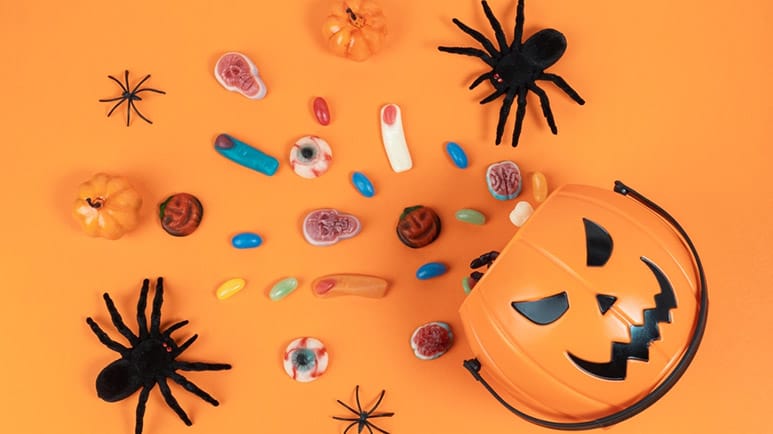
Halloween is one of the most exciting times of the year. Costumes, decorations, and trick-or-treating are all part of the fun, and for many families, that also means bringing home bags full of candy.
If you share your home with a dog or cat, however, those sweet treats deserve a closer look. Many Halloween favorites contain compounds that can make pets seriously ill, while others create hazards that have nothing to do with the candy itself. Knowing which treats are most concerning can help you avoid an unexpected trip to the veterinarian.
Ingredients That Could Send Your Pet to the Vet
Many of the treats that show up during Halloween are perfectly fine for people but genuinely dangerous for dogs and cats. According to the Animal Medical Center of Cascades, chocolate contains theobromine and caffeine, two stimulant compounds that belong to a group called methylxanthines.1 A person's body clears these out easily, but a dog's or cat's body cannot process them nearly as well, which allows them to build up and affect the heart and nervous system.
Sugar-free candy and gum can be just as concerning. The Amador Valley Veterinary Center explains that many of these products contain xylitol, an artificial sweetener that tricks a dog's body into releasing a flood of insulin, causing blood sugar levels to crash.2
Candy Bowl Culprits to Watch Out For
Understanding why ingredients like chocolate and xylitol are dangerous is a good first step. The next step is knowing which treats are most likely to cause trouble if they end up in your pet's mouth:3,4,5,6
- Chocolate — Dark chocolate and baking chocolate contain far more theobromine than milk chocolate does, which makes them the most dangerous form. Pure white chocolate has no caffeine or theobromine, but can contribute to gastrointestinal upset due to the fat and sugar content. Symptoms of methylxanthine poisoning can include vomiting, diarrhea, restlessness, a racing heart, tremors, and in severe cases, seizures.
- Chocolate-covered raisins — These are double trouble. They combine chocolate's toxins with raisins, which have been linked to sudden kidney failure in dogs even in small amounts.
- Sugar free candy and gum — Xylitol does not just hide in gum. It also shows up in some peanut butter, mints, and baked goods. For a small dog, as little as one piece of sugar free gum can be enough to trigger a dangerous blood sugar crash, with symptoms like weakness, wobbliness, and even seizures showing up within 30 minutes to two hours. Liver damage can follow a day or two later, which is why xylitol is treated as a true emergency even when a dog seems fine at first.
- Candy corn and other high sugar treats — These will not poison your pet, but a large amount of sugar or fat can upset their stomach or, in dogs prone to it, trigger a painful (and possibly life-threatening) inflammation of the pancreas called pancreatitis. Some brands also use xylitol, so the label is always worth a quick check.
- Hard candy, gummies, and caramel — These are not toxic, but their size and stickiness make them a choking hazard. If swallowed whole, they can cause a blockage in the intestines serious enough to need surgery.
What Helps Keep Your Pet Out of Trouble
Most Halloween candy mishaps are preventable with a little planning. The American Society for the Prevention of Cruelty to Animals’ (ASPCA) top piece of advice is to stash the treats. A closed cabinet or another secure storage spot works better than a countertop, especially since a curious dog's nose is good enough to sniff out candy left in the open.7
It is also worth paying close attention to products labeled "sugar-free." Xylitol can turn up in gum, mints, baked goods, and even certain peanut butters, so it is worth checking labels before leaving anything within paw's reach.8 Keeping a few pet-safe treats on hand can also make it easier to include your furry family members in the fun without exposing them to unnecessary risk.
Finally, do not overlook the aftermath of the celebration. Cellophane wrappers, lollipop sticks, and other leftovers can pile up quickly once the candy sorting starts, and they are a choking hazard even when the candy itself is harmless.9 Using a trash can with a secure lid can help keep dogs and cats from helping themselves to discarded wrappers and packaging.
When to Consult Your Veterinarian
If you know or even suspect your pet got into chocolate, xylitol, or a large amount of candy, call your vet or a pet poison hotline right away, before symptoms even show up.10 Waiting is the real risk here, especially with xylitol, where damage can move quickly enough that early treatment makes a life-saving difference.
That said, not every stolen piece of candy is an emergency. How worried you should be depends on your pet's size, what kind of candy was eaten, and how much they ate. A large dog that grabs one small piece of milk chocolate is in a very different spot than a small dog that gets into dark chocolate or a handful of sugar-free gum.
Cats are not off the hook either. They tend to be pickier eaters than dogs, but the ASPCA warns that chocolate is just as dangerous for cats, and because they are smaller, it takes even less of it to cause a problem.11
When you do call, have the wrapper or packaging nearby so you can tell your veterinarian exactly what your pet ate and roughly how much. If it happens outside office hours, the ASPCA Animal Poison Control Center and the Pet Poison Helpline are both available around the clock.12